To the content
Notariaat Wellens
Menu
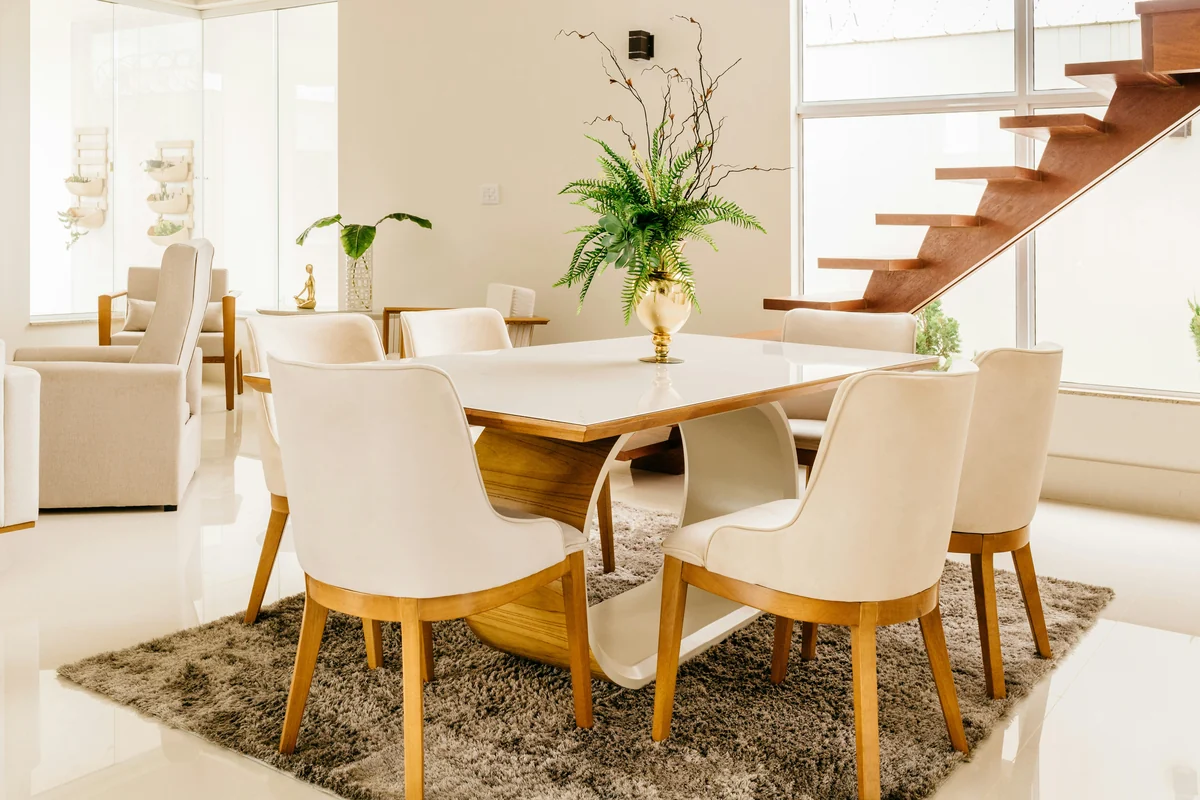
Eating area by a wooden staircase

Housing & real estate · Notarial deeds

Foundation deed and co-ownership

Discover our guidance ↓

To begin with

← All notarial deeds

You are buying an apartment. What is yours and what do you share?

Clear boundaries and agreements for private parts, common parts and costs.

"One small difference can change an entire conversation."
Paul Wellens

Your questions, step by step

What belongs to you and what do you share with the other owners? We help you understand the agreements about the building and the costs.

Why do I go to the notaire for this?

The notaire records the legal division of a building based on plans, reports and the necessary decisions. The description determines what is private and what is common.

How are apartments and common parts recorded?
  1. Provide title deeds, plans and the report about the shares.

  2. Have permits and the required consents or decisions examined.

  3. Check the draft with the plans before the deed.

How does this proceed and how long does it take?

The timing depends on expert reports, permits, owners' decisions and any bank approvals. A change cannot always be decided by one owner alone.

Which documents should I provide to the notaire?

Prepare what you already have. You do not need to wait until your folder is complete to make an appointment.

Is a document missing or do you not know where to find it? Check the help for each document. We will discuss what the office can obtain for you and what you still need to provide yourself.

Where can I find this?

Search in your deed folder, Izimi or Mijn akten. Cannot find the deed? Provide the address, estimated date and possibly the previous notarial office; we will see how to request a copy.

Where can I find this?

Search among your house documents, architect or contractor. Report renovations for which you find no documents. The office discusses which information is needed from the municipality or an expert.

Where can I find this?

Request the most recent version from your accountant or company manager. Add changes and attachments; the office determines which additional reports are needed.

Where can I find this?

Search among your house documents, architect or contractor. Report renovations for which you find no documents. The office discusses which information is needed from the municipality or an expert.

Where can I find this?

Provide the complete version with date, attachments and later amendments. Do you not have this document or do you not know if it exists? Select “Help needed” and discuss it with the office.

Where can I find this?

Request the documents from your syndicus or find them with the deed of purchase. Provide the contact details of the syndicus so that the office can request the necessary information.

These check marks only remain on the opened page and are not sent to the office.

Open the checklist: ready, need help or not applicable
What does the notaire do and investigate?
  • Do the plans, ownership and permits correspond with each other?
  • Are the required decisions and consents in place?
  • Are private parts, common parts and shares correctly described?
  • Do usage rights and cost allocation fit the intended purpose?

We agree on which searches the office will conduct and which information you, your bank or another expert will provide.

What should I pay attention to before I sign?

Check apartment, storage room, parking space, shares and cost allocation. A usage right on a garden is not necessarily ownership.

Is a passage still unclear? Feel free to ask for an explanation with an example from your own situation. Only sign when you understand what you are agreeing to.

What else must I arrange afterwards?

Send the adjusted documents to the syndic and keep them with your deed of ownership. Ensure that management and cost settlements align with the new arrangement.

Which practical tips can help me?

Compare the text with what is shown on the plans, including terraces, roofs and technical rooms.

What do these words mean?
Private
the part that belongs individually to one owner.
Syndic
the manager of the co-ownership.
Quotities
the shares in the common parts.
Where can I find more explanation or help?

You do not have to phrase your question in legal terms. Tell what concerns you, what you want to arrange and if an important date is approaching.

We will look together at the next step. We agree in advance on how the office will assist you and what costs are involved.

Ask your question to the officeMake an AppointmentHow do I buy or sell a house?

General explanation for your preparation. The rules and documents that apply to you are determined based on your file.

On this page

What does this regulate?

01 · UNDERSTAND

The deed of division describes the building and the private and common parts. Together with the co-ownership regulations, it forms the statutes of the building. These organise, among other things, rights and the allocation of certain charges.

A new division or a change to existing lots requires coherence between plans, legal description and the required decisions. A practice that has grown in reality does not automatically change the legal situation.

A RECOGNISABLE SITUATION

An attic is added to an apartment. First it must be clear who owns that attic, which approvals are needed, and what this changes for shares and costs.

What requires attention?

02 · CHOOSE CONSCIOUSLY

A deed of division does not replace a town planning permit. A change to common parts or shares can also require decisions by the co-owners and adjusted documents.

Also explain what was agreed earlier and where doubts remain. A regulation can only be appropriately developed if facts and wishes are clear.

More points to consider for your own situation

Together at home in a bright living room

03 · YOUR INTENTION

You do not need to be able to answer all this in advance. Your doubts are also a good starting point.

Click on a question for an initial explanation or practical tip. You do not need to have an answer to everything yet.

  1. Which spaces should be private or common?

    Mark on a plan which parts belong to one owner and which are used jointly. Do not forget technical rooms, pipes and accesses.

  2. Who uses the garden, roof, parking or passage?

    Describe per space who may use it and who needs access for maintenance. Distinguish between ownership and use.

  3. How are costs and shares substantiated?

    Collect surface area data and the proposed division model. Ask how shares and cost distribution are justified and whether differences between cost items are necessary.

  4. Are the plans and permit status coordinated with each other?

    Provide the approved plans, permits and the actual situation. Indicate deviations so they can be investigated.

  5. Is it a new subdivision or a modification to an existing building?

    For an existing building, bring the current base deed, regulations and relevant meeting minutes. Note precisely what modification you intend.

What do we need, and why?

04 · PREPARATION

Bring what you already have. We will agree on any additional documents the office needs to request. The final list depends on your file.

Identity and contact details

To correctly identify the persons involved and their capacity. Provide identity documents via the channel we agree with you.

Plans and description by the expert involved

To correctly record plots and boundaries.

Title deed and existing statutes

To examine the current legal situation.

Permits and relevant real estate information

To verify the legal description and public law situation.

Decisions of the general meeting and any reports

To check authority and required approvals.

Is something missing? Mention it in your application. An initial meeting does not have to wait until you have gathered everything yourself.

What does NotaLegal do for you?

05 · GUIDANCE

We align the deed with the technical documents and valid decisions, discuss the legal significance and provide the authentic recording and formalities.

You will receive a draft for discussion. We review your questions and agree the final version before signing. Afterwards, we explain which preservation, registration or further execution applies to your document.

Know in advance what to expect.

06 · FEES

Statutory tariff where legally established

For deeds with a legally established fee, we apply that tariff. The total settlement also includes, depending on the file, taxes, dossier costs, third-party expenses and VAT. For services without a legally established fee, we agree the remuneration in advance.

You will receive a clear explanation in advance regarding the costs of your transaction. We discuss the services your file requires and distinguish between fee, taxes and other costs.

Read more

Substantive background: notaris.be · The statutes of co-ownership

General explanation for preparing your meeting. Foreign ties, previous documents and your concrete situation may change the outcome. Sources and legal explanation.

Frequently Asked Questions

FROM READING TO PREPARATION

Already a first answer.

Do I need to know already which deed I need?

No. Start from what you want to arrange. An existing deed, a draft or your own description helps us ask the right questions. The explanation on this page gives you a first idea of the possibilities; the concrete elaboration follows from your situation.

What can I prepare now?

Gather the documents mentioned on this page for preparation. Also note what you want to keep, who is involved and which date is relevant. If you do not yet have everything, mention what is missing at your appointment.

Can I first have a draft discussed?

You can submit your question about a draft before proceeding. Indicate if there is a response deadline and provide the complete version, including attachments. We will coordinate with you on the control and guidance you require.

EASY PREPARATION

Your checklist: deed of division and co-ownership

Which documents do you prepare, where do you find them and when can the office assist? Indicate what you have and where you need support.

Useful websites on this topic

FROM FIRST QUESTION TO NEXT STEP

You do not have to figure it out alone.

  1. Your intention

    We discuss what you wish to arrange and who will bear the consequences.

  2. From documents to agreements

    We examine the necessary information and explain the proposed text.

  3. Signing and follow-up

    You decide after explanation. We discuss the completion and where you can find your documents.

View my preparation

You save this for your own consultation. The office does not receive anything via this button.